
The Technology Behind Plagly.ai
Powered by advanced AI, machine learning, and natural language processing to deliver the most accurate content analysis.
Core Technologies
Explore the sophisticated systems that make Plagly.ai the most accurate content analysis platform available.
Advanced AI Content Detection
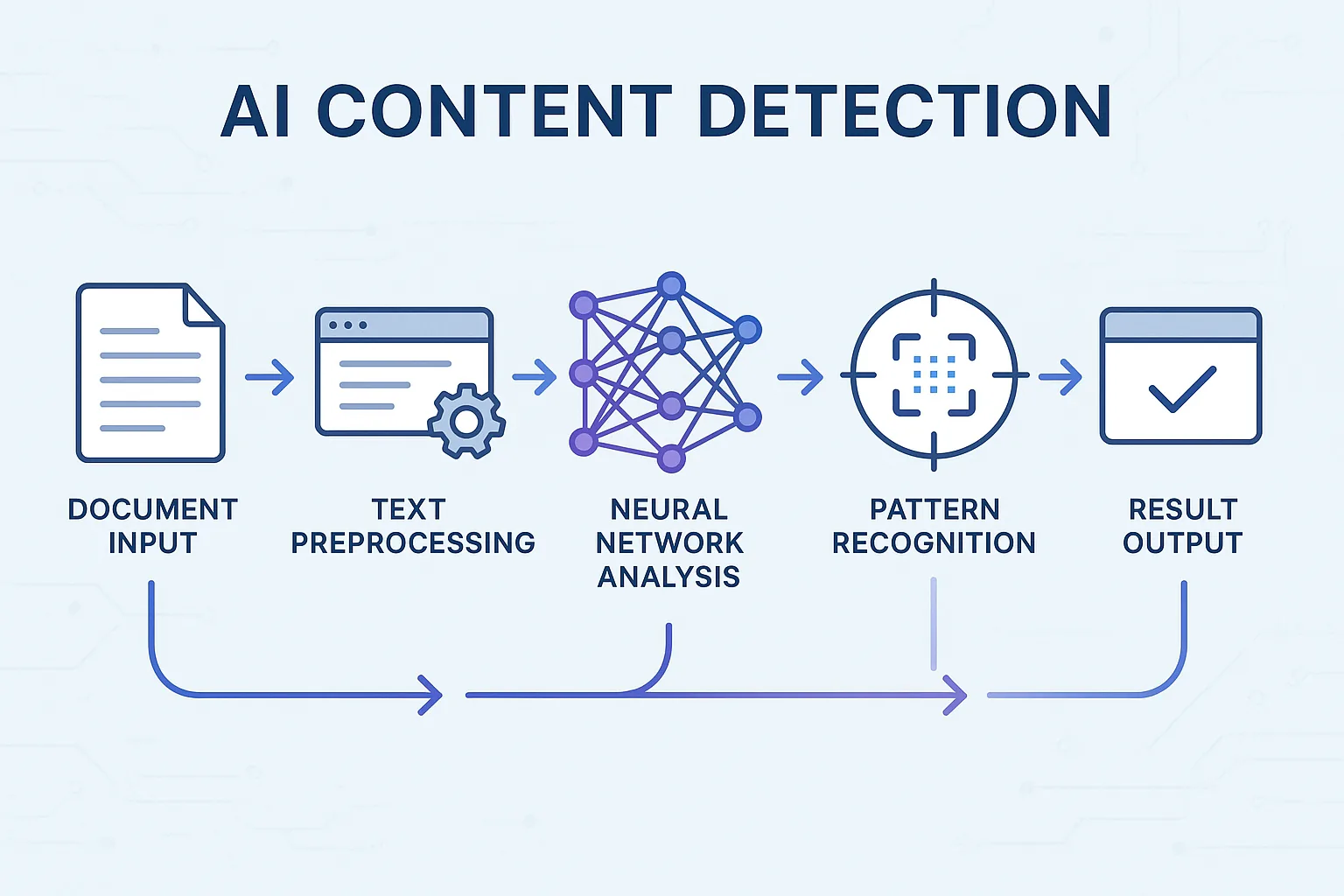
Neural Network Analysis
Deep learning models trained on billions of text samples to identify AI-generated patterns.
Multi-Model Detection
Specialized detectors for GPT-6.1 SOL, Claude, ChatGPT, and other major AI models.
Real-time Processing
Sub-second analysis with confidence scoring and detailed explanations.
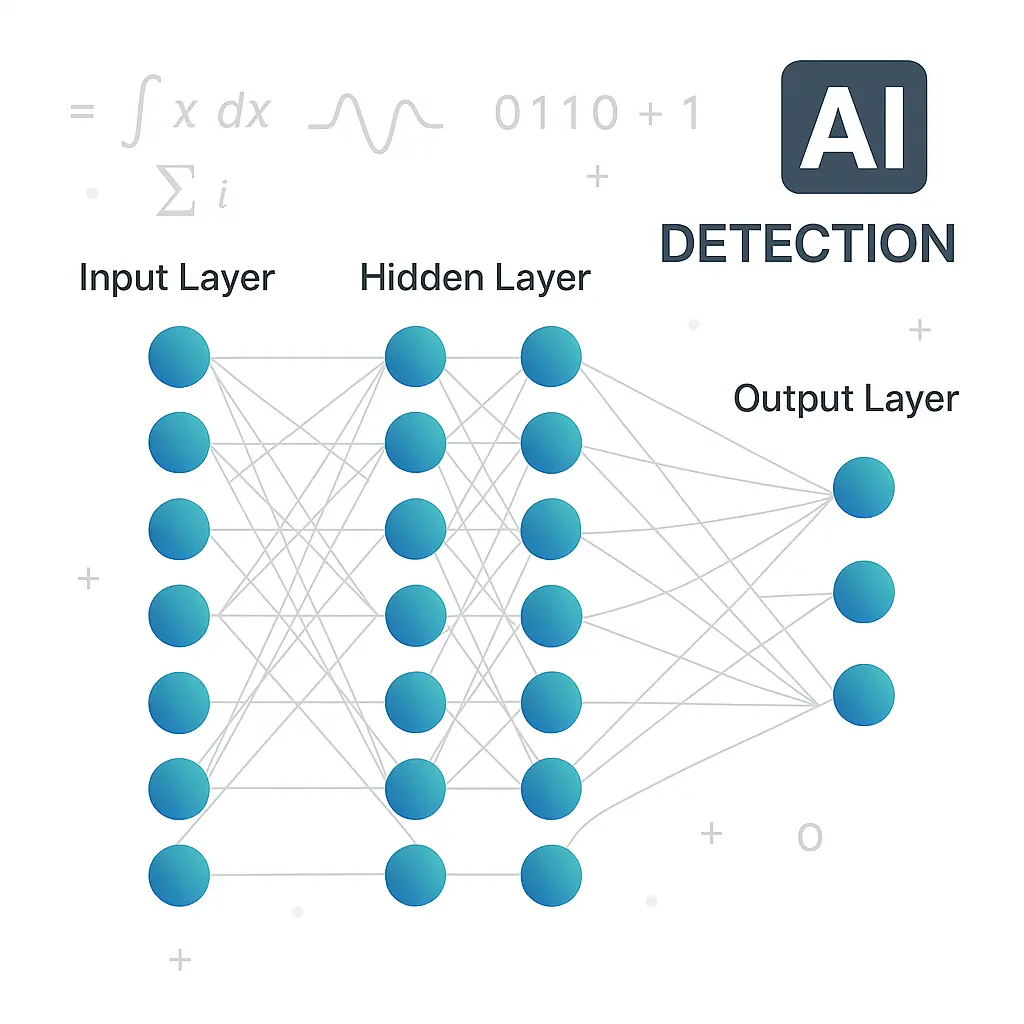
Neural Network Architecture
Input Layer
Text tokenization and feature extraction from document content.
Hidden Layers
Deep learning analysis with attention mechanisms and pattern recognition.
Output Layer
Confidence scoring and classification with detailed explanations.
AI Model Detection Performance
GPT-6.1 SOL Detection
99.5%Specialized model for detecting GPT-6.1 SOL generated content
Claude Detection
99.1%Optimized for Anthropic Claude content identification
ChatGPT Detection
99.3%Fine-tuned for OpenAI ChatGPT content analysis
Generic AI Detection
98.8%Broad spectrum AI content detection across models
Advanced Features
Cutting-edge capabilities that set Plagly.ai apart from traditional content analysis tools.
Our advanced technology stack combines multiple layers of artificial intelligence and machine learning to deliver comprehensive content analysis. From deep neural networks trained on millions of text samples to sophisticated natural language processing algorithms, Plagly.ai employs cutting-edge techniques that enable accurate detection of AI-generated content and identification of plagiarism across diverse content types and languages.
99% Accuracy
Industry-leading precision in AI content detection
Real-time Analysis
Instant results with sub-second processing times
Multi-language Support
Supports 50+ languages with native accuracy
Privacy First
End-to-end encryption with zero data retention
Massive Database
200+ million documents and growing daily
Academic Grade
Trusted by educational institutions
Technical Specifications
AI Detection Engine
- • Transformer-based neural networks
- • Multi-head attention mechanisms
- • BERT and GPT architecture analysis
- • Ensemble model predictions
- • Real-time confidence scoring
- • Explainable AI results
Plagiarism Engine
- • Semantic similarity algorithms
- • N-gram analysis and fingerprinting
- • Citation network analysis
- • Cross-lingual detection
- • Paraphrase identification
- • Source attribution ranking
Performance
- • Sub-second processing times
- • 99.9% uptime guarantee
- • Auto-scaling infrastructure
- • Global CDN distribution
- • Real-time result streaming
- • Concurrent user support
Security & Privacy
- • End-to-end encryption
- • Zero data retention policy
- • GDPR and CCPA compliant
- • SOC 2 Type II certified
- • Regular security audits
- • Privacy-first architecture
Advanced AI and Machine Learning Technology
Deep Learning Architecture
Plagly.ai employs sophisticated deep learning models based on transformer architectures and neural networks specifically designed for natural language processing tasks. Our AI detection system utilizes multiple layers of analysis including token-level pattern recognition, semantic understanding, and contextual analysis to identify subtle markers that distinguish AI-generated content from human writing.
The system processes text through advanced neural networks trained on millions of samples of both human and AI-generated content, enabling it to recognize patterns that are imperceptible to traditional analysis methods. This includes analyzing sentence structure variations, vocabulary usage patterns, semantic coherence, and stylistic markers that are characteristic of different AI models and human writing styles.
Multi-Model Detection Capabilities
Our platform is specifically trained to detect content generated by major AI language models including OpenAI's GPT-6.1 SOL and ChatGPT, Google's Gemini 4.0, Anthropic's Claude Opus 5.5, Meta's Llama 4, xAI's Grok 3, Mistral, DeepSeek, Microsoft Copilot, and other emerging AI systems. Each model has distinct characteristics in terms of writing style, vocabulary usage, and structural patterns, which our detection algorithms are specifically designed to identify and analyze.
The detection system continuously evolves to stay ahead of new AI models and detection evasion techniques. Our research team regularly updates the algorithms with new training data and incorporates feedback from millions of user interactions to improve accuracy and maintain the highest detection rates in the industry.
Comprehensive Plagiarism Detection
Beyond AI detection, Plagly.ai provides extensive plagiarism checking capabilities that scan billions of web pages, academic databases, and published works to identify potential instances of copied content. Our plagiarism detection engine employs advanced algorithms that go beyond simple text matching to identify paraphrased content, translated plagiarism, and sophisticated forms of content duplication.
The system utilizes semantic similarity analysis, n-gram fingerprinting, and citation network analysis to provide comprehensive coverage across multiple languages and content types. Our database includes academic journals, books, websites, and other sources to ensure thorough analysis and accurate source attribution for any potential matches found.
Real-Time Processing and Scalability
Plagly.ai is built on a scalable cloud infrastructure that enables real-time processing of content analysis requests with sub-second response times. The system utilizes auto-scaling capabilities to handle varying loads and ensures consistent performance even during peak usage periods. Our global content delivery network ensures fast response times regardless of user location.
The platform processes over 200 million documents annually, demonstrating its ability to handle large-scale content verification needs. Our infrastructure includes redundant systems, automated failover capabilities, and comprehensive monitoring to ensure 99.9% uptime and reliable service delivery for users across educational institutions, publishing companies, and enterprise environments.
Research and Development Excellence
Plagly.ai maintains a dedicated research and development team that continuously advances the state-of-the-art in content authenticity detection. Our team includes machine learning researchers, natural language processing experts, and cybersecurity specialists who work collaboratively to develop new detection methods and improve existing algorithms.
We actively collaborate with academic institutions and industry partners to validate our technology through rigorous testing and peer review. Our research findings are regularly published in academic journals and presented at international conferences, contributing to the broader understanding of AI-generated content detection and content authenticity verification in the digital age.
We flag statistical AI-watermark patterns
During analysis, Plagly surfaces the low-entropy statistical signature that token-level watermarks (Claude's August 2026 mark, Google SynthID) amplify — an honest indicator, not vendor verification. You can also strip or rewrite watermarked text with our dedicated tool.
Open the AI Watermark Detector & Remover